Data Collection and Surveying
Onboard passenger surveys are one of the most direct and effective tools for understanding how a transit system is performing from the rider’s perspective. By engaging passengers during their actual trips, we capture real-time insights into travel behaviors, service quality, and unmet needs that operational data alone cannot reveal. These surveys help identify barriers such as accessibility challenges, safety concerns, or schedule reliability issues, while also highlighting what riders value most.
Redding Area Bus Authority On Board Passenger Surveying (2025)
The Redding Area Bus Authority (RABA) retained LSC Transportation Consultants, Inc., to conduct passenger experience surveys across all of its routes and services. Surveys were developed for each type of service: fixed routes, demand response service (DAR), also known as paratransit, and RABA Runabout, including Shasta Connect. All surveys were available in both English and Spanish formats. For this effort, surveys included a variety of service-specific questions, new questions to gather passenger opinions on recent service changes, as well as questions regarding passenger opinions on policy changes being considered.
City of Redding, CA

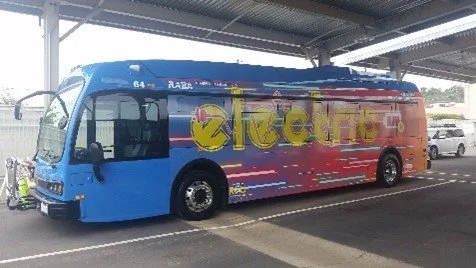
Our team supervised approximately a dozen temporary staff who conducted surveys on every run of RABA’s 12 fixed routes over several days. Over 350 total passenger surveys were collected and summarized in a final memorandum to the client. This represented 30 percent of average daily weekday ridership.
Grand Valley Transit Passenger Surveying (2023)
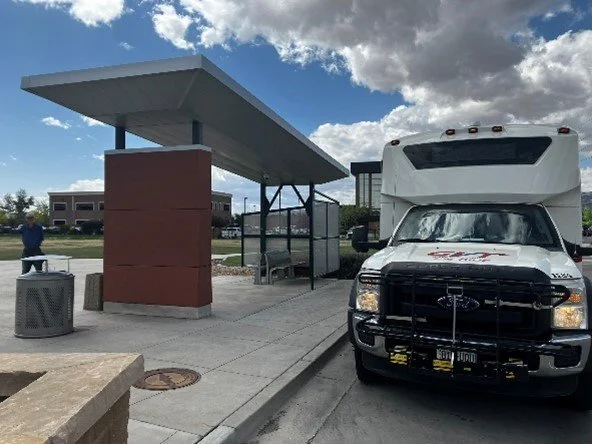
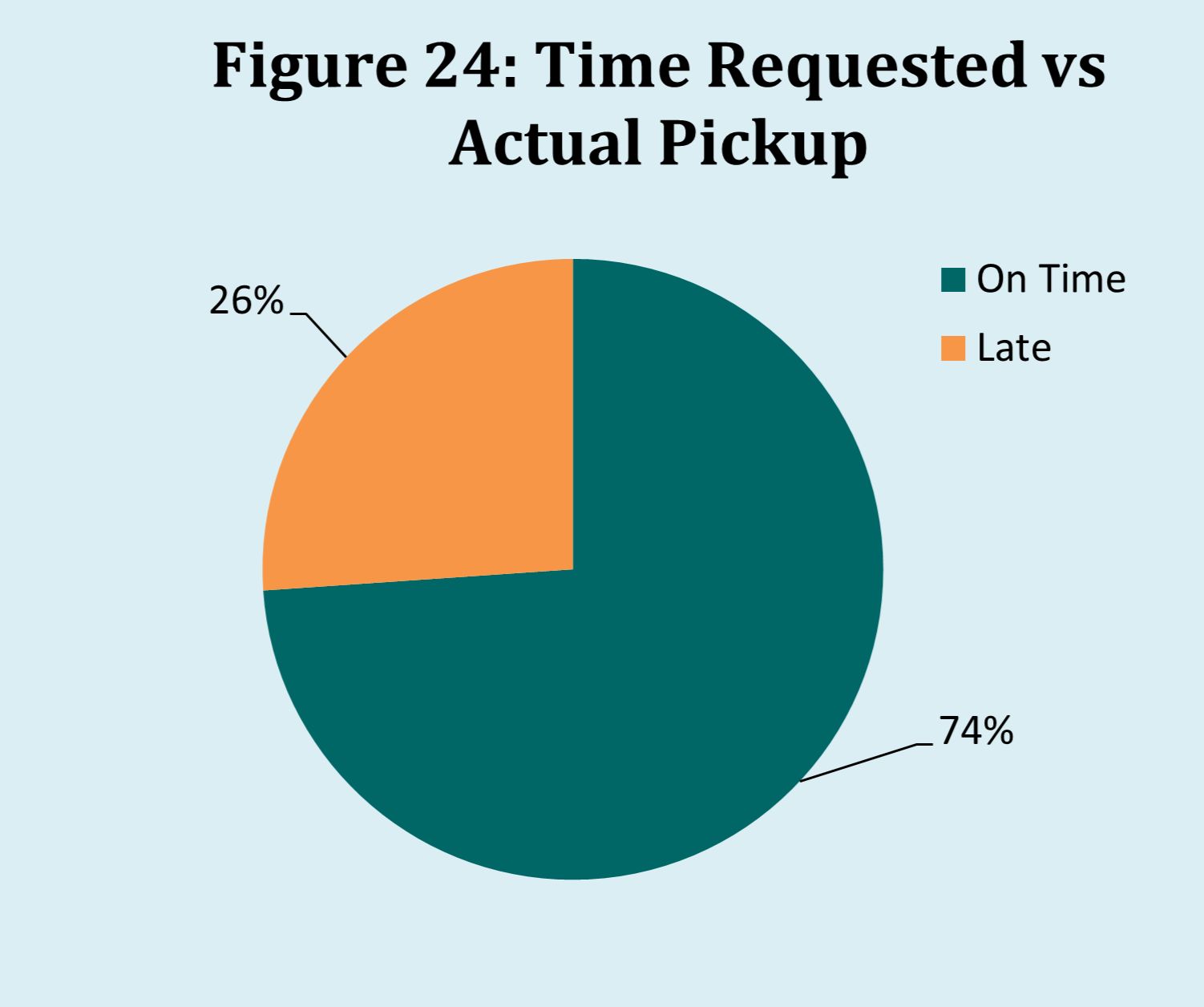
Mesa County contracted with LSC Transportation Consultants, Inc. (LSC) to complete the 2023 Onboard Passenger Survey, Counts, and Analysis (2023 Survey) for GVT. The primary focuses of the 2023 Survey were to learn about passenger characteristics and impressions of GVT, to better understand the impacts of the COVID-19 pandemic on ridership and travel patterns, and to collect data for the Grand Valley Metropolitan Planning Organization (GVMPO) Travel Demand Model (TDM). A total of 272surveys were collected which represented 14 percent of average daily ridership.
As a part of this effort, LSC also conducted an online community survey to learn more about how the greater community views and utilizes GVT. The final deliverable summarized the findings from both survey efforts.
Grand Junction, CO